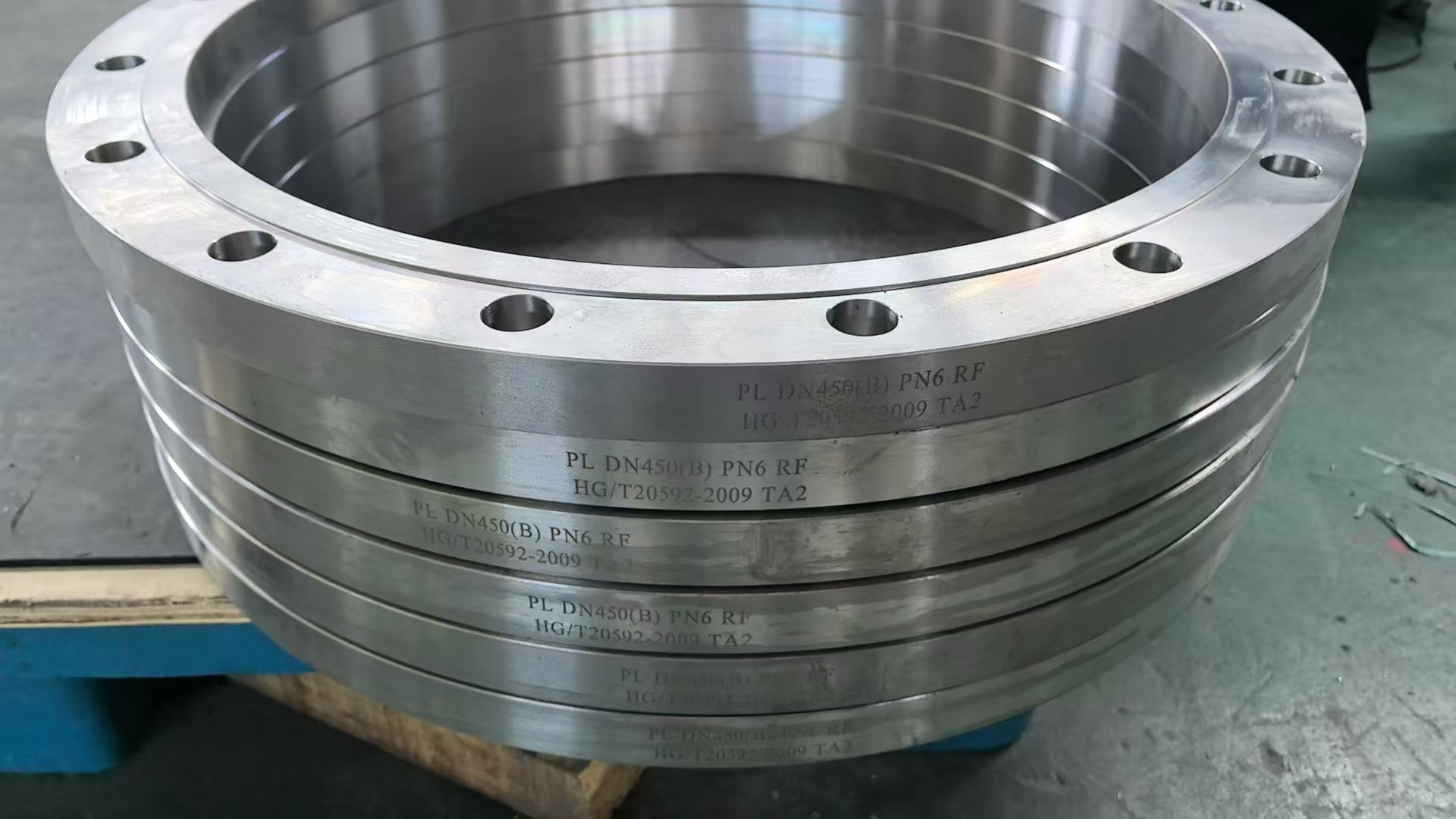
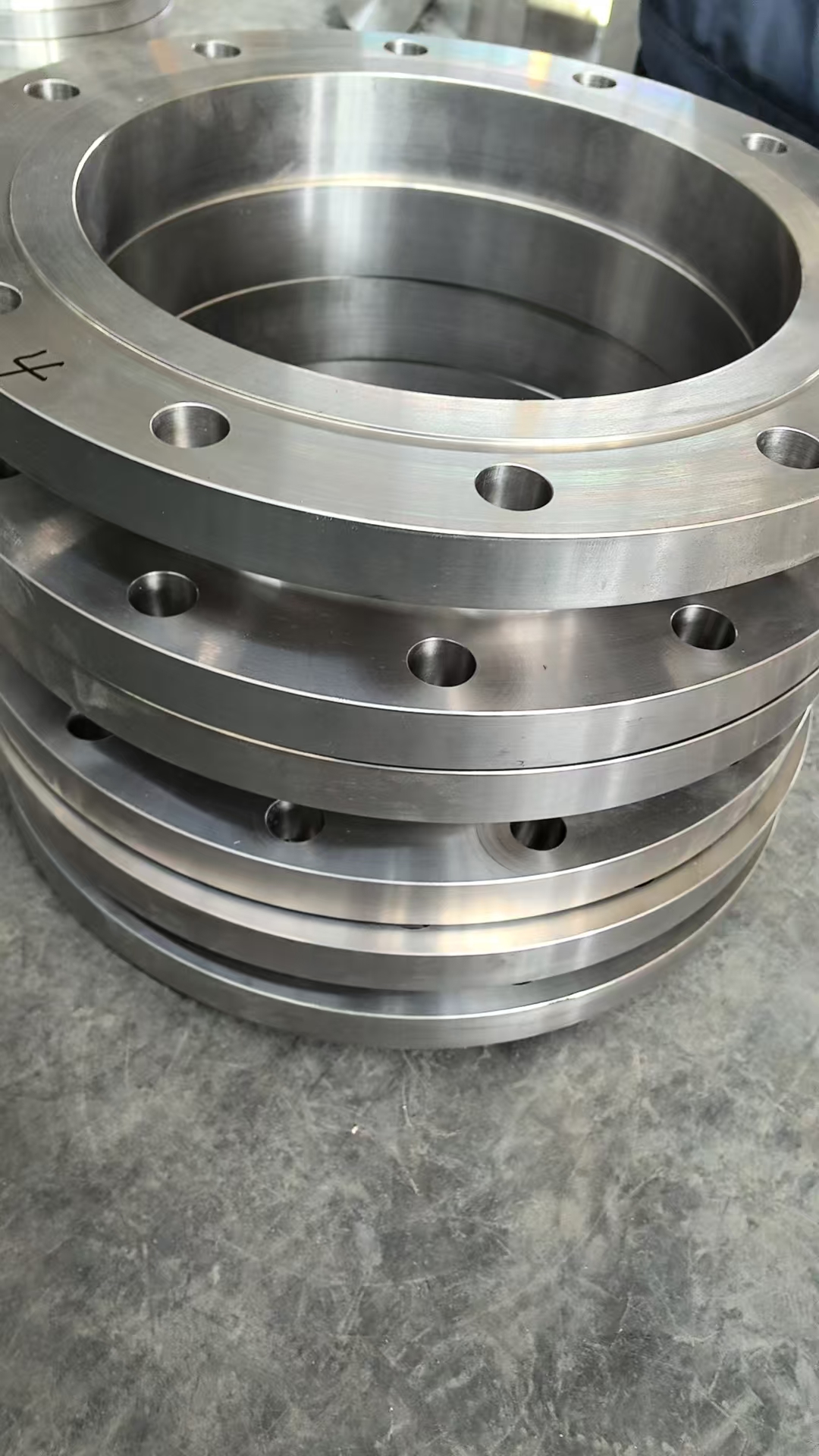
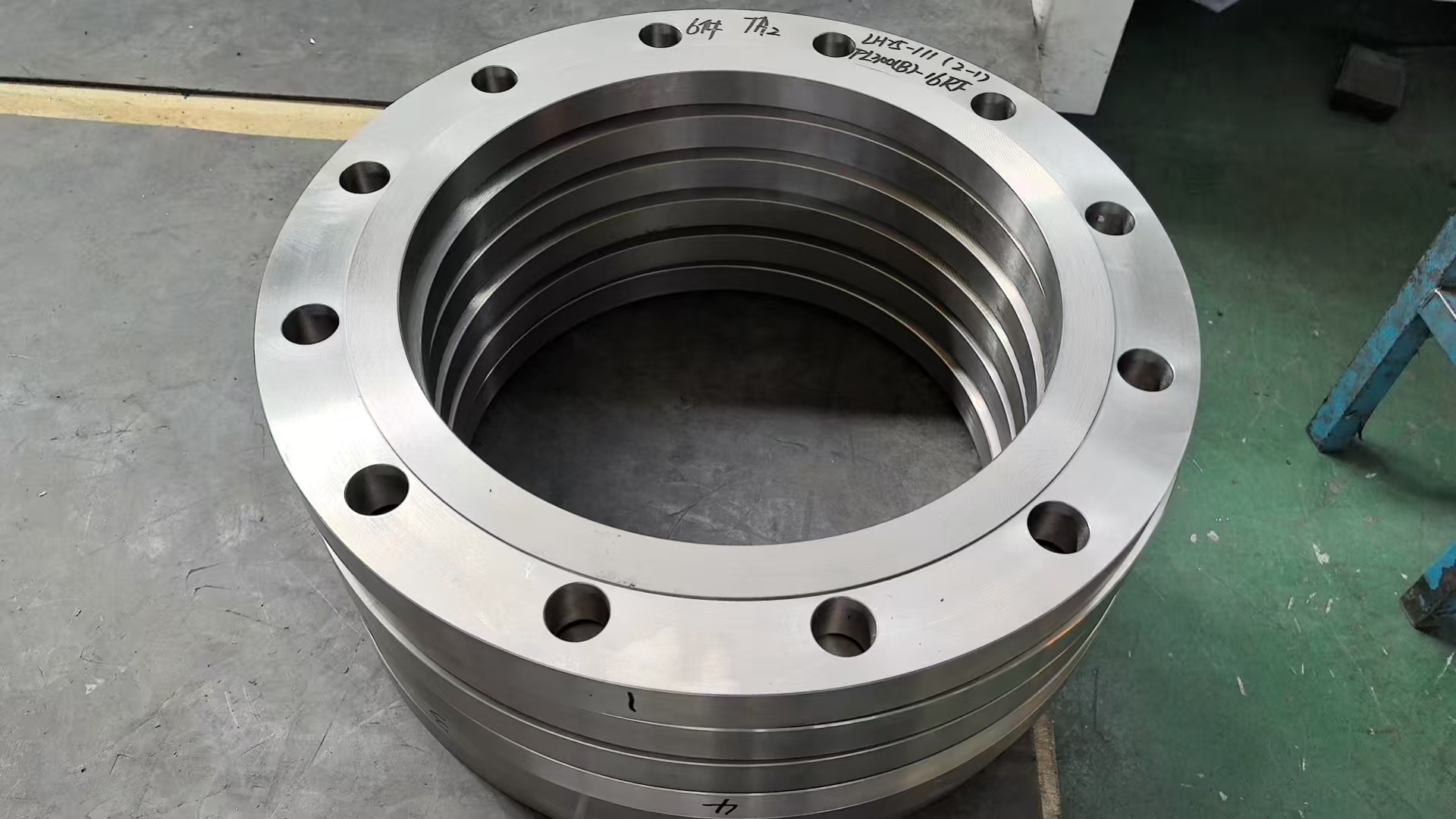
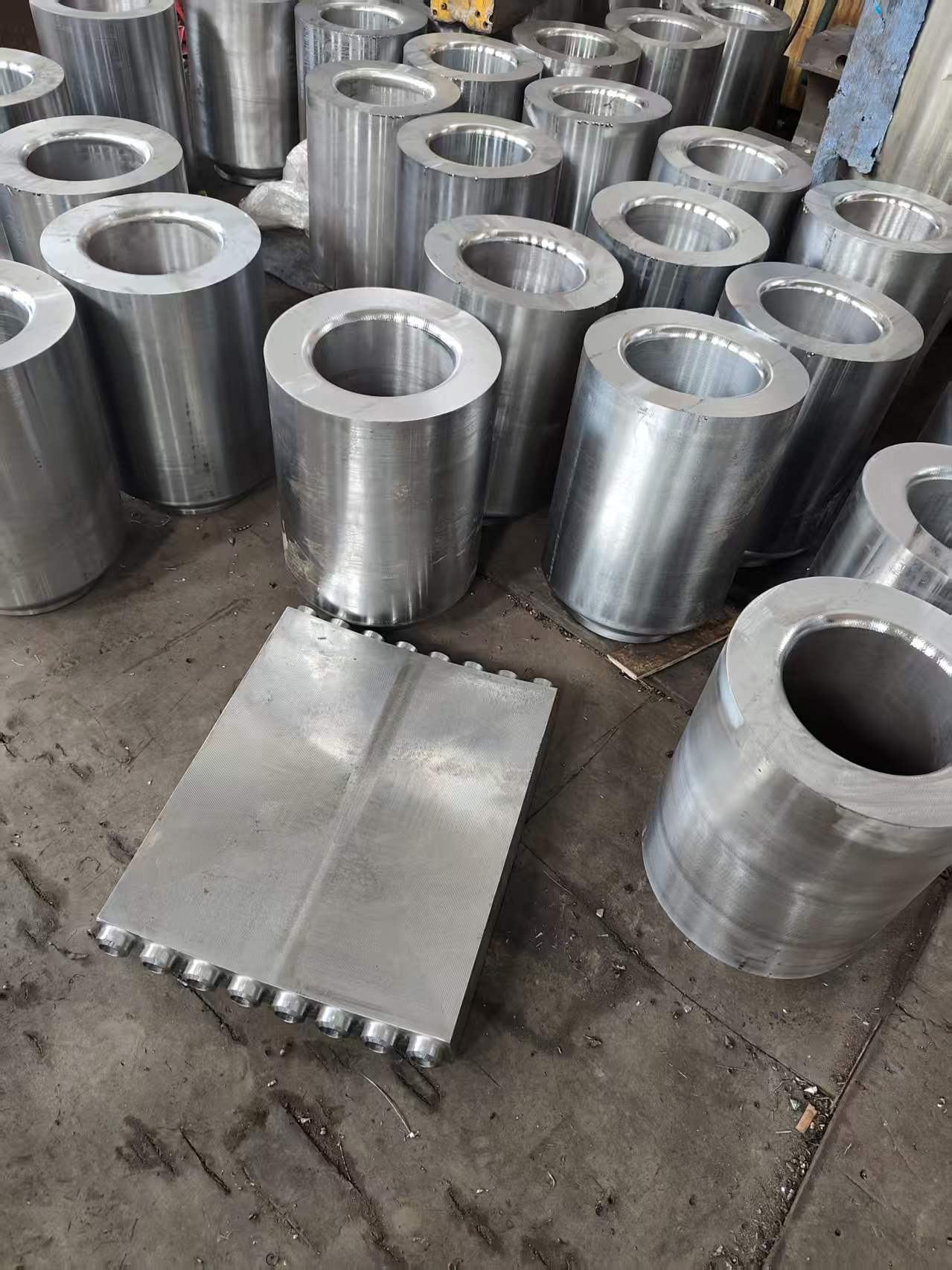
titanium flanges
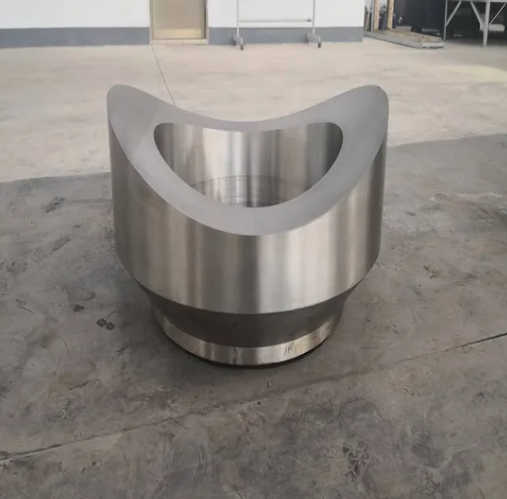
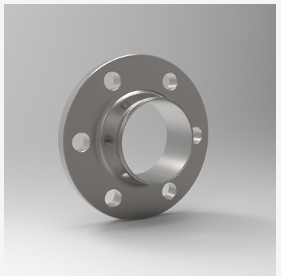
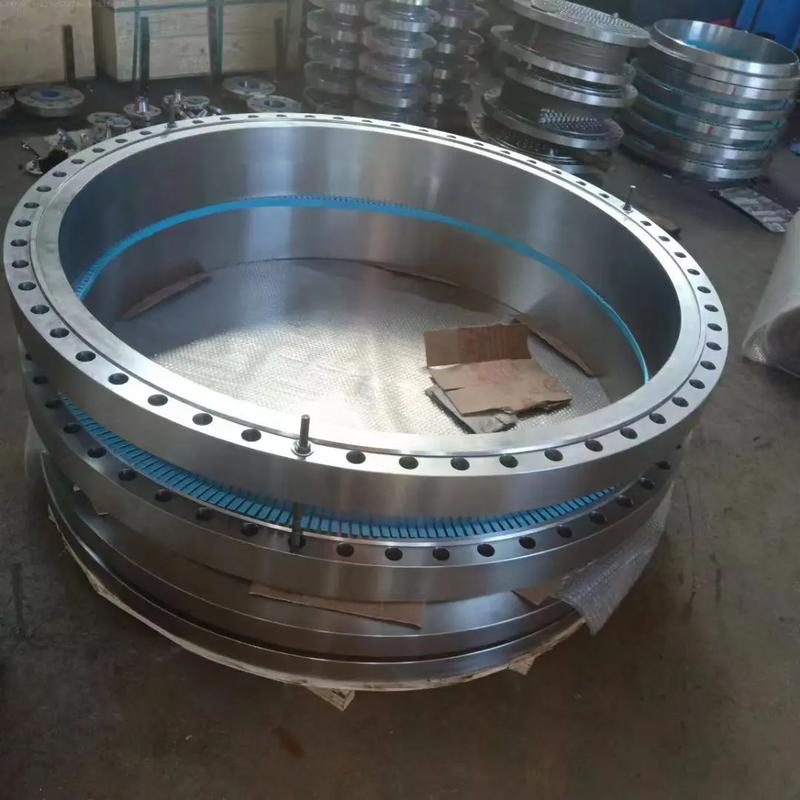
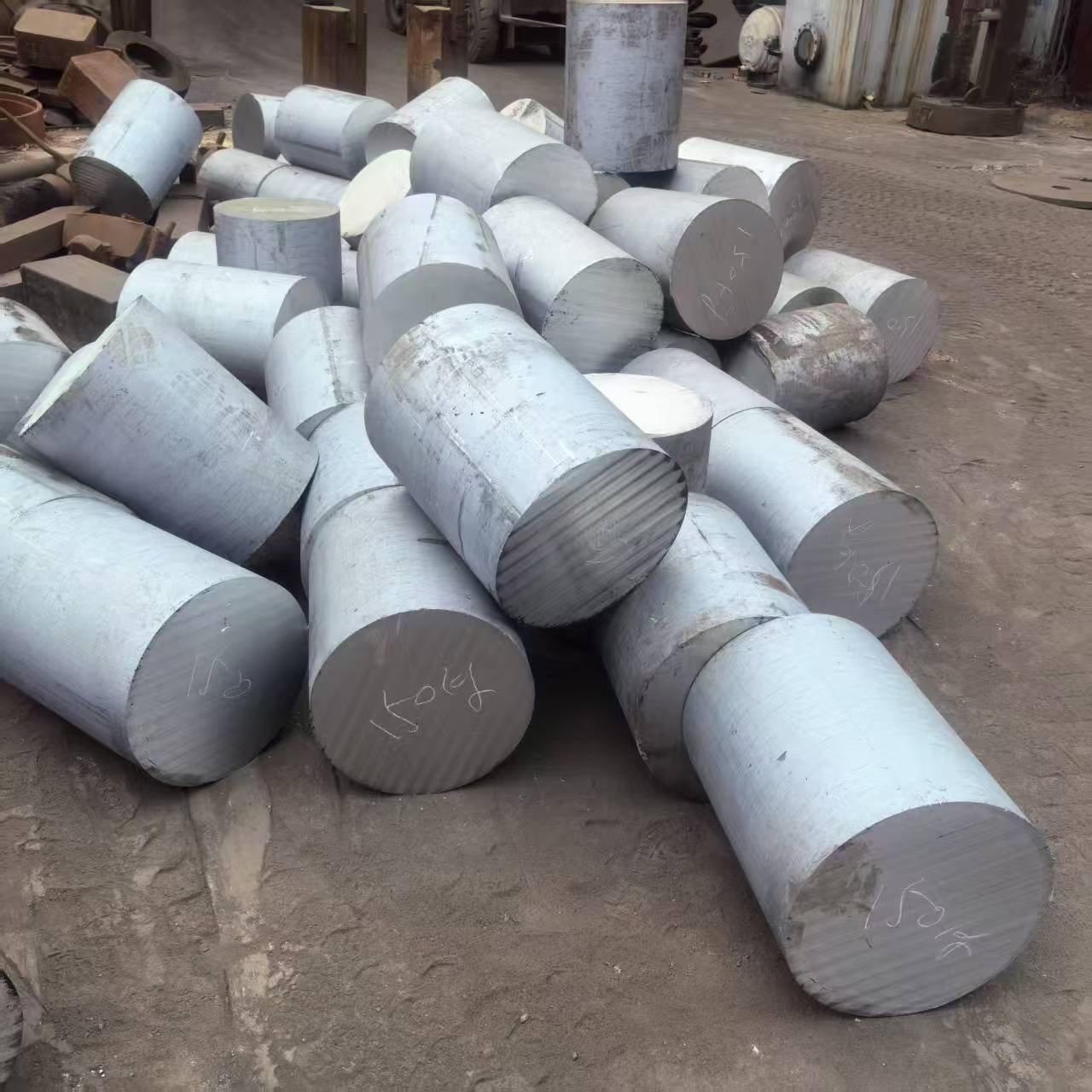
Titanium flange is a kind of pipe connection component made of titanium and titanium alloy materials, which has a series of unique properties and characteristics and is widely used in many fields. The following is an introduction to titanium flanges:
Excellent Corrosion Resistance: Titanium has excellent corrosion resistance in many media. It can resist the erosion of various acid, alkali and salt solutions, and performs outstandingly in corrosive environments such as seawater and wet chlorine gas. Its anti - corrosion ability is much better than that of ordinary metal materials.
High Strength: Titanium alloy has high strength and a high strength - to - weight ratio. It can maintain good structural stability under high pressure and heavy load conditions, and is not easy to deform and rupture.
High Temperature Resistance: Titanium flanges can maintain good mechanical properties at high temperatures and can withstand a certain range of high - temperature environments, which is suitable for the connection of some high - temperature process pipelines.
Low Density: The density of titanium is relatively small, only about 60% of that of iron. This makes the titanium flange lightweight, easy to install and transport, and also reduces the weight of the entire pipeline system.
Butt - Welding Titanium Flange: It is connected to the pipeline by butt - welding. The weld quality is high, and it can bear high pressure and temperature. It is suitable for various high - pressure, high - temperature and pipeline systems with good sealing requirements.
Plain - Welding Titanium Flange: It is relatively easy to install. The flange is welded flat on the end of the pipeline. It is suitable for pipeline connections with relatively low pressure and not too high temperature, and is often used in some general industrial pipelines.
Socket - Welding Titanium Flange: The pipeline is inserted into the socket of the flange and welded. This connection method can reduce welding deformation and improve sealing performance, and is suitable for the connection of small - diameter pipelines.
The specification dimensions of titanium flanges usually follow relevant international and domestic standards. For example, the nominal diameter ranges from DN15 to DN2000 or even larger. The outer diameter, inner diameter, thickness, and the number and diameter of bolt holes have corresponding regulations according to different nominal diameters and pressure classes. For example, for a DN100 titanium flange, its outer diameter may be about 175mm, the inner diameter matches the inner diameter of the connected pipe, and the thickness varies according to the pressure class. For example, the thickness of a DN100 titanium flange with PN1.0MPa may be about 16mm, the number of bolt holes may be 4, and the diameter may be 16mm.
Pickling and Passivation: Through pickling and passivation treatment, the oxide scale and impurities on the surface of the titanium flange can be removed, and a dense passivation film is formed to improve its corrosion resistance and surface quality.
Anodizing: It can form a hard, wear - resistant and corrosion - resistant oxide film on the surface of the titanium flange. At the same time, oxide films of different colors can be obtained by controlling the anodizing process to meet different appearance requirements.
Chemical Industry: Due to the excellent corrosion resistance of titanium flanges, they can be used to transport various corrosive chemical media, such as sulfuric acid, hydrochloric acid, nitric acid, etc., and are widely used in reaction kettles, pipeline connections and other parts in chemical production.
Marine Engineering: In the seawater environment, titanium flanges are not easy to be corroded, which can ensure the long - term stable operation of the pipeline system. They are often used in the seawater cooling system of ships, the pipeline connection of offshore oil platforms, etc.
Aerospace: The high - strength and low - density characteristics of titanium flanges make them used in the aerospace field. They are used for the connection of aircraft engine pipelines, hydraulic system pipelines, etc., which helps to reduce the weight of the aircraft and improve its performance.
Pharmaceutical Industry: Titanium has good biocompatibility and will not have a harmful impact on the human body. Therefore, titanium flanges are used in the pipeline system for transporting drugs, biological agents, etc. in the pharmaceutical production to ensure product quality and safety.
The production and inspection of titanium flanges usually follow relevant standards. For example, domestic standards such as GB/T 13404 - 2017 Fasteners for Pipe Flanges and HG/T 20592 - 2009 Steel Pipe Flanges (PN Series) have clear regulations on the dimensions, tolerances, material properties, etc. of titanium flanges. Internationally, standards such as ASME B16.5 Pipe Flanges and Flanged Fittings are also widely used in the design, manufacture and acceptance of titanium flanges.
Titanium flanges play an important role in many fields with their excellent performance. However, due to the relatively high cost of titanium materials, their application is also limited to a certain extent, mainly in occasions with high requirements for corrosion resistance, high strength and lightweight.
 English
 Русский
 Español