Welcome to Dingxiang Jinyu Forging Co., Ltd.,
flange
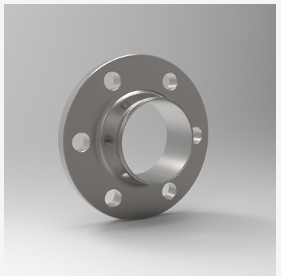
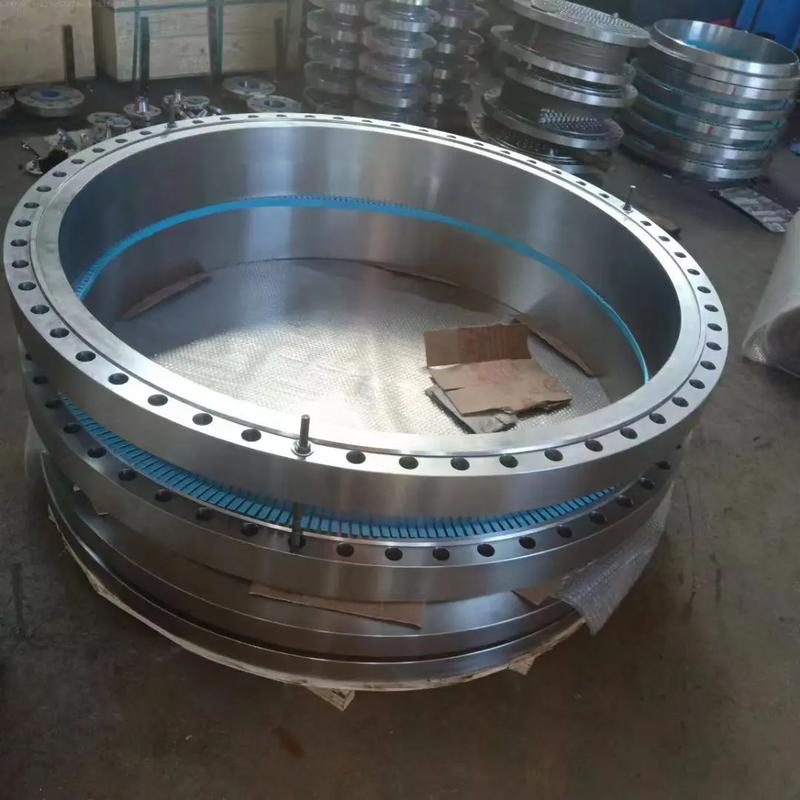
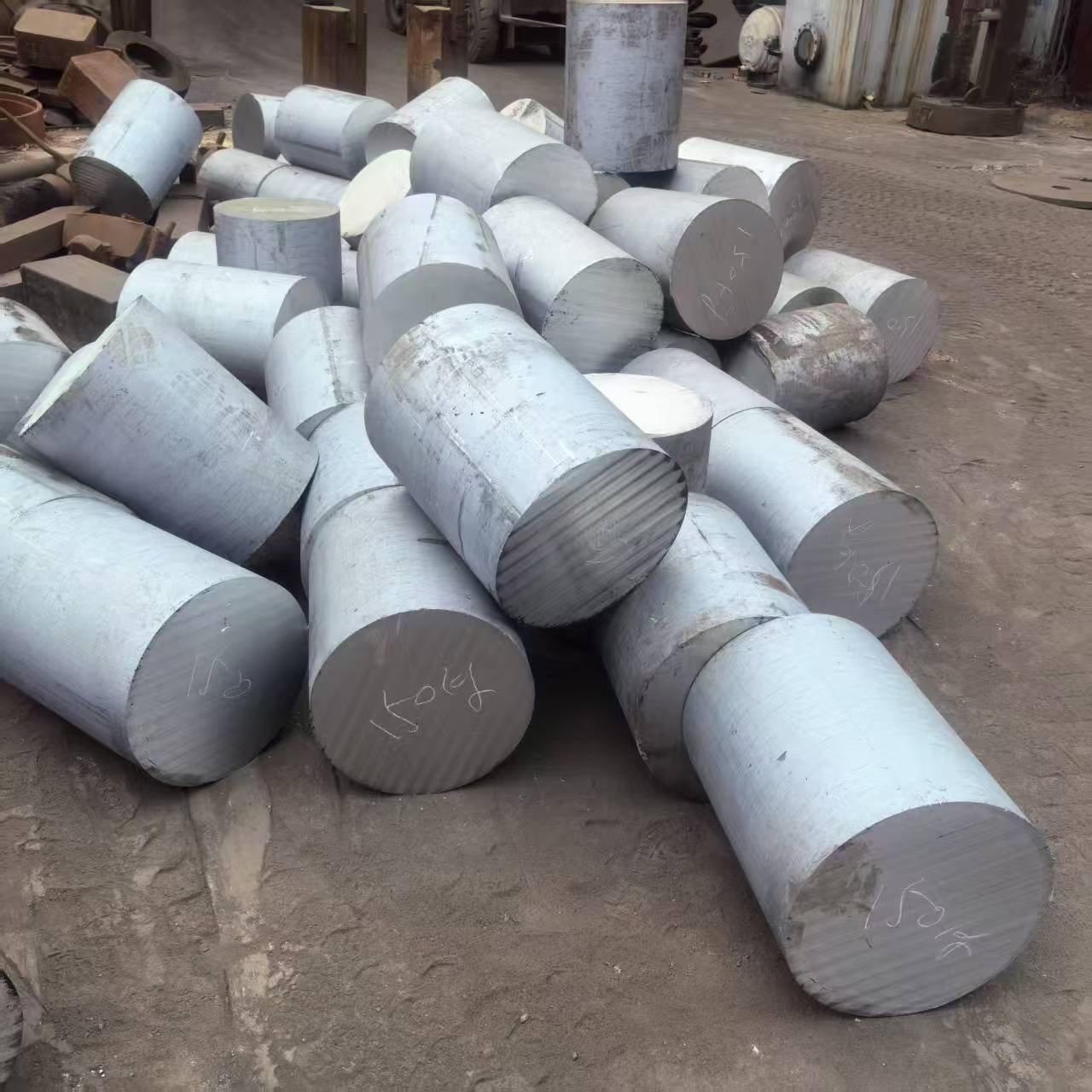
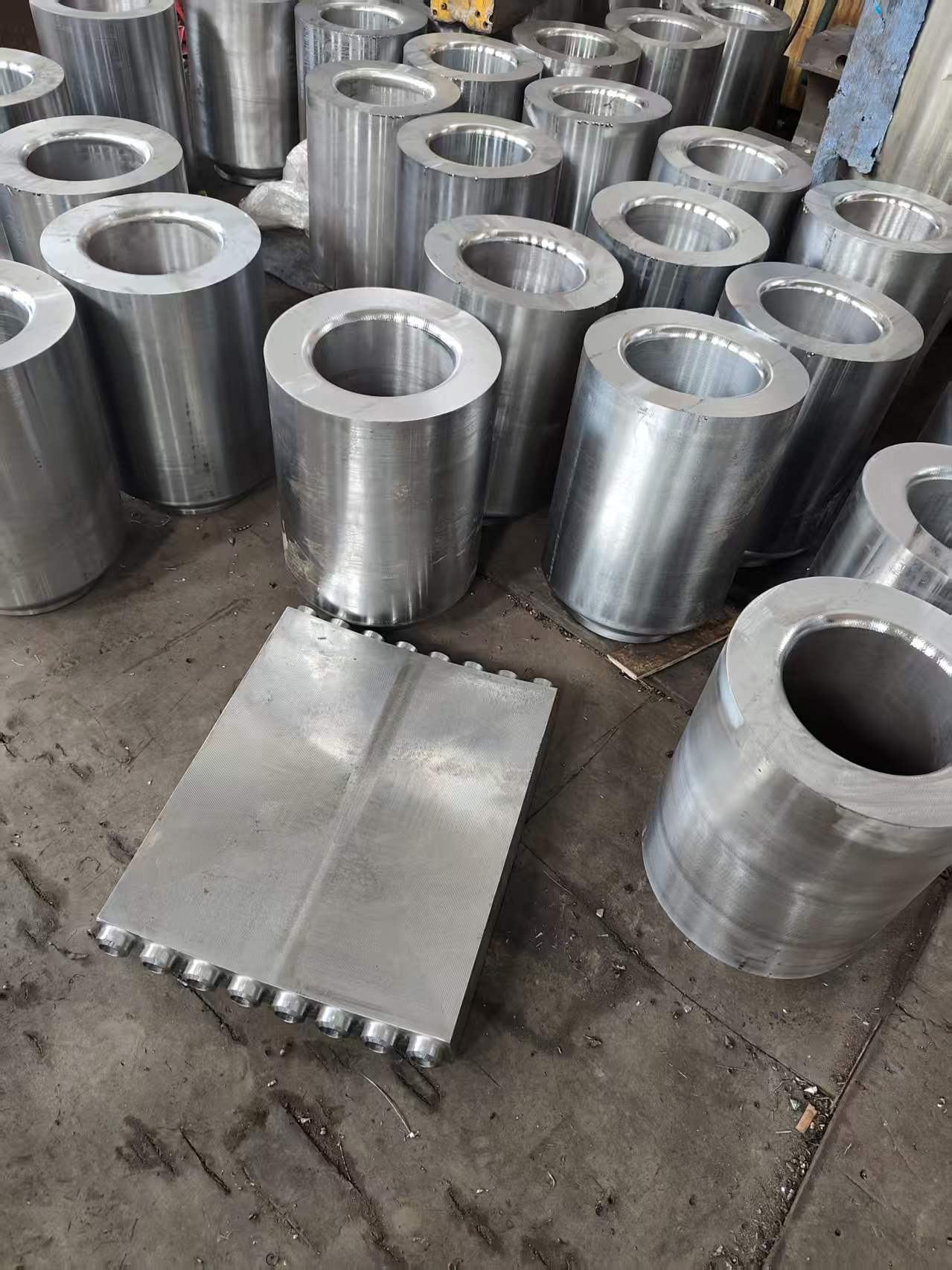
Flange: The Key Link in Industrial Connection In the modern industrial system, as a core component in pipeline connection, equipment assembly and other links, the flange plays a crucial and significant role. From the daily urban water supply and power supply to high-end aerospace and deep-sea exploration, flanges are everywhere, silently supporting the stable operation of various industrial systems. I. Basic Concepts and Types of Flanges A flange is a disc-shaped part that is usually used in pairs. In pipeline engineering, flanges are mainly used for the connection between pipelines and between pipelines and equipment. Two flanges are tightly fixed together by bolts, and a sealing gasket is placed in the middle to achieve a reliable sealed connection and prevent medium leakage. According to different standards and application scenarios, there is a wide variety of flange types. Classified by connection methods, common ones include welded flanges, threaded flanges, loose flanges, etc. Welded flanges are further divided into butt-welded flanges and socket-welded flanges. Butt-welded flanges are suitable for pipeline systems with extremely high requirements for high temperature, high pressure and tightness, such as the pipelines of cracking units in the petrochemical industry. Socket-welded flanges are mostly used for small-diameter pipelines, and their welding process is relatively simple with lower costs. Threaded flanges, relying on threaded connections, are relatively convenient for installation and disassembly, and are often used in some pipeline parts that require frequent maintenance. Loose flanges allow the pipeline to expand and contract freely within a certain range, and are suitable for pipeline lines with the need for thermal expansion and contraction. In terms of the form of the sealing surface, the raised face (RF) flange is the most common. It is simple to process and widely used in general industrial pipelines. The male and female face (MFM) and tongue and groove face (TG) flanges greatly improve the sealing performance through the precise matching of the male-female or tongue-groove structure, and are often used in pipelines for transporting toxic, flammable and explosive media. The ring joint face (RJ) flange uses a metal ring for sealing, which can withstand ultra-high pressure and extreme temperatures and is indispensable in fields such as high-pressure hydrogenation and nuclear power generation. II. Material Selection and Performance Characteristics The material selection of flanges depends on their working environment and performance requirements. Carbon steel materials, such as A105, Q235, etc., have good comprehensive mechanical properties and cost advantages, and are widely used in ordinary industrial pipeline systems such as water supply and drainage, heating, ventilation and air conditioning under normal temperature and low pressure. Stainless steel materials, such as 304, 316L, etc., with excellent corrosion resistance, dominate in industries with strict requirements for corrosion resistance, such as food processing, pharmaceuticals, and marine engineering. Among them, 304 stainless steel can resist common oxidation corrosion, and 316L performs excellently in strongly corrosive environments containing chloride ions and the like. Alloy steel materials, such as chromium-molybdenum alloy steel, have high hardness, high strength and excellent high-temperature resistance, and are often used in scenarios such as the connection of high-temperature and high-pressure steam pipelines and the vacuum towers of oil refining units. III. Manufacturing Process and Quality Control The manufacturing process of flanges directly affects their quality and performance. The forging process is a commonly used method for producing high-quality flanges. By applying pressure to the metal billet, it undergoes plastic deformation, so as to obtain a dense internal structure and accurate external dimensions. Forged flanges perform excellently in terms of strength and toughness and can withstand relatively large loads and pressures. The casting process is suitable for manufacturing flanges with complex shapes. Liquid metal is poured into the mold cavity and then cooled and solidified to form the flange. However, the casting process needs to be strictly controlled, otherwise defects such as air holes and sand holes are likely to occur. The machining process is used for further precision machining of the forged or cast flanges to ensure that their dimensional accuracy, flatness of the sealing surface, etc. meet the standard requirements. Throughout the entire manufacturing process, quality control runs through from start to finish. From the strict inspection of raw materials to ensure that the chemical composition and mechanical properties meet the standards, to the process control during production, such as the real-time monitoring of forging temperature and machining dimensional accuracy, and then to the comprehensive inspection of finished products, including non-destructive testing (such as ultrasonic testing and radiographic testing to detect the quality of welds), hardness testing, pressure testing to check the sealing performance, etc., every link is crucial. This is to ensure that every flange leaving the factory can operate safely and reliably in practical applications. IV. Application Fields and Industry Influence As a key component in industrial connection, flanges are widely used in various industries. In the petrochemical industry, from crude oil extraction and transportation to oil refining and chemical product production, a large number of pipeline systems rely on flanges to achieve reliable connections, ensuring the safe transportation of flammable, explosive, toxic and harmful chemical media, which is the basic guarantee for the stable operation of the entire industrial chain. In the power industry, whether it is the steam pipelines of thermal power generation, the water pipelines of hydropower generation, or the cooling pipelines of nuclear power generation, flanges play an important role in connection and sealing, ensuring the efficiency and safety of power production. In the construction field, the pipeline connections of water supply and drainage, heating and ventilation systems are inseparable from flanges, and their quality is directly related to the service function of buildings and the comfort of residents' lives. In addition, in high-end fields such as aerospace, shipbuilding, and marine engineering, flanges, with their high-precision and high-performance requirements, have become one of the important symbols for measuring a country's manufacturing level. It can be said that although flanges are small in size, they are closely related to the overall situation of industrial development. The continuous improvement of their performance and the continuous innovation of technology not only promote the improvement of production efficiency and the reduction of production costs in various industries, but also lay a solid foundation for the rise of emerging industries and the development of high-end equipment manufacturing. They have left an indelible mark in the process of modern industrial civilization.
 English
 Русский
 Español