Welcome to Dingxiang Jinyu Forging Co., Ltd.,
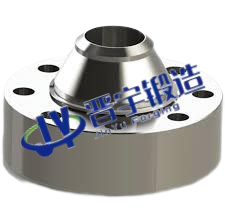
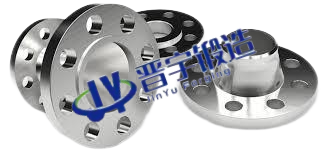
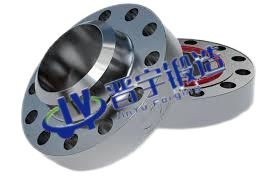
RTJ Flanges: The Key Guarantee for Industrial Pipeline Connections
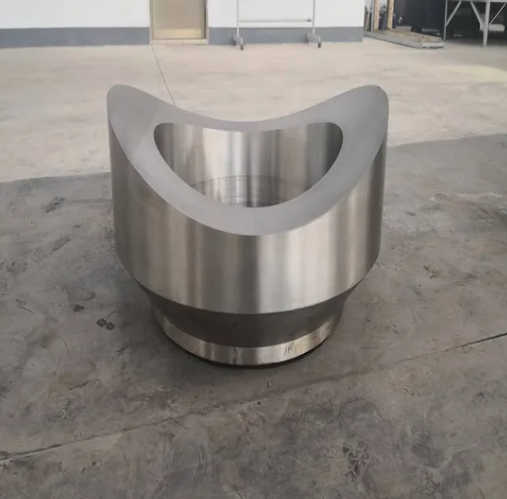
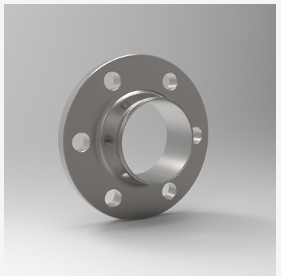
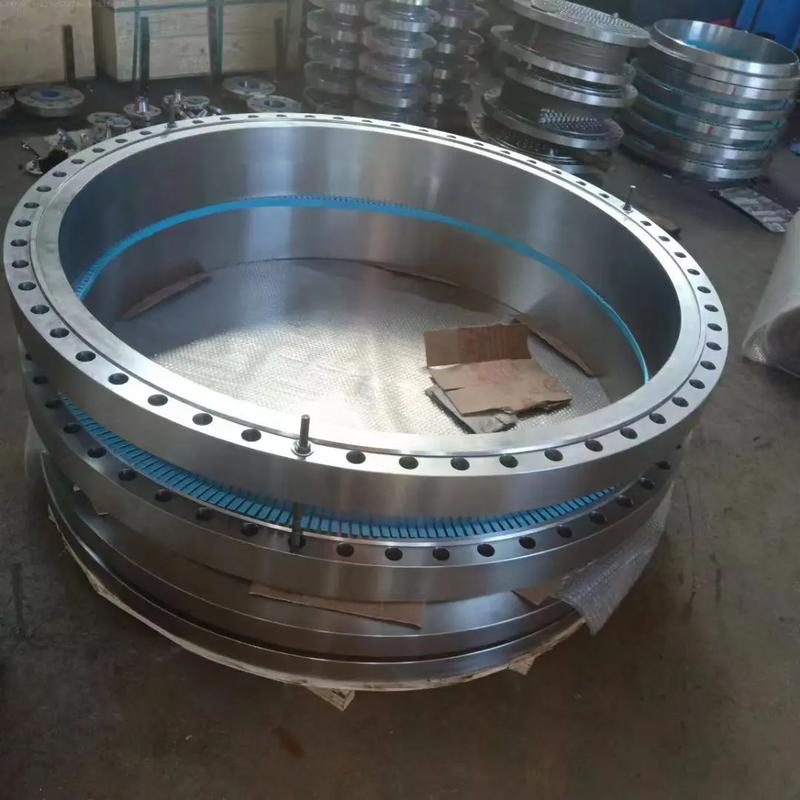
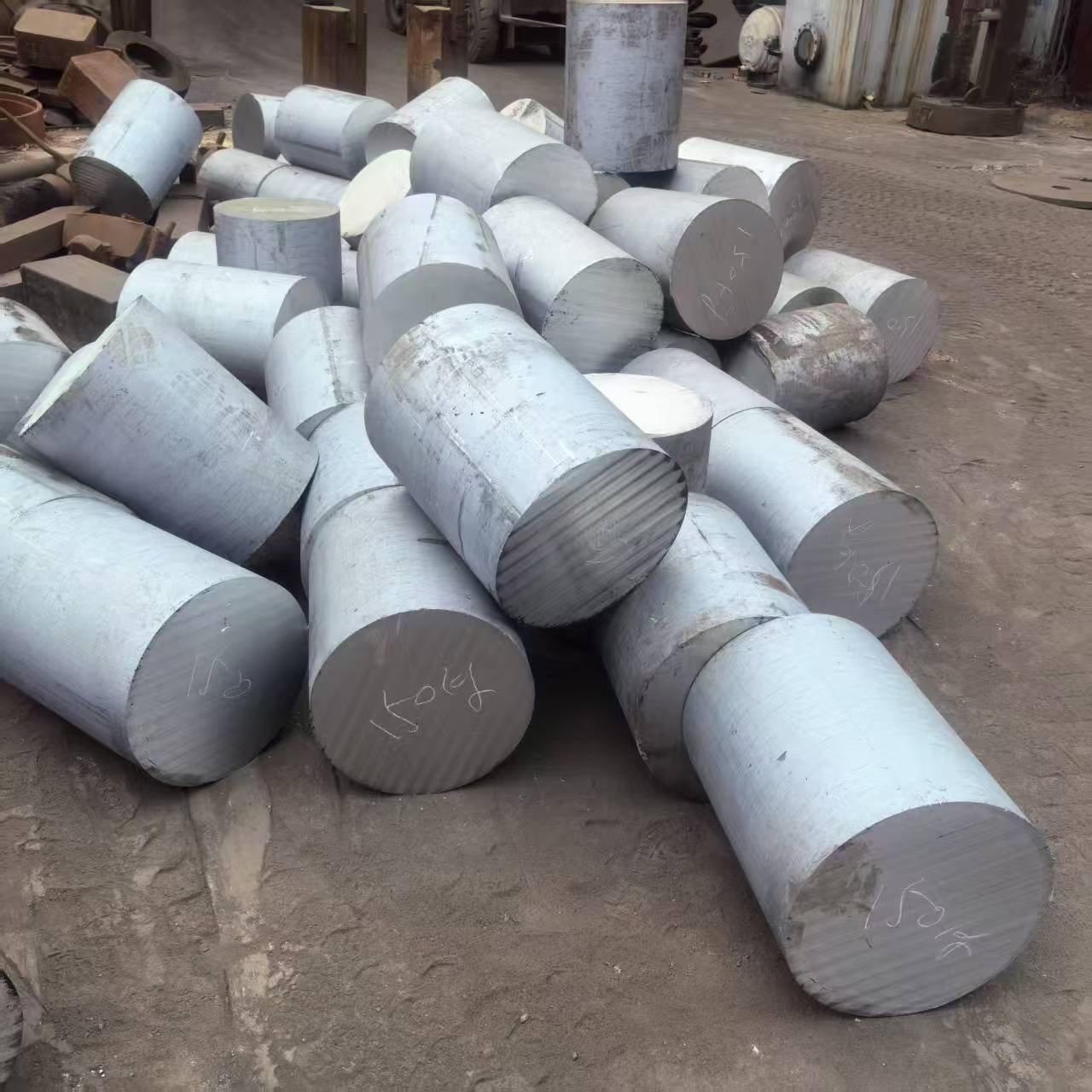
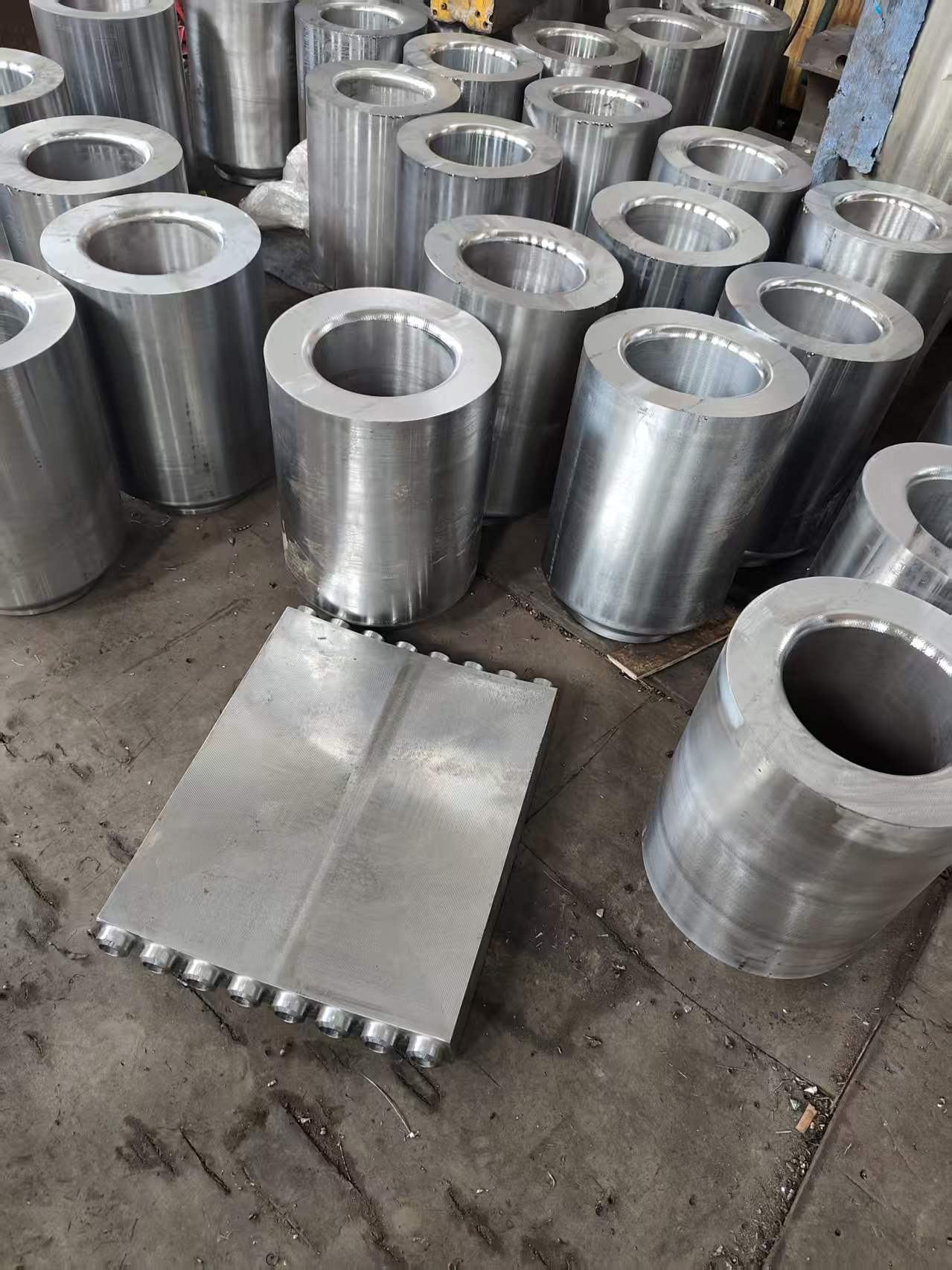
In the complex pipeline network systems of modern industry, the reliability of pipeline connections is directly related to production safety and efficiency. RTJ (Ring Type Joint) flanges, as a specially designed type of flange, are increasingly highlighting their crucial role in scenarios with high-pressure, high-temperature, and high-sealing requirements. RTJ flanges are mainly applied in the oil and gas industry. From the towering structures of offshore drilling platforms to the intricate pipeline networks of refineries, and then to the flange connections of long-distance pipelines, RTJ flanges bear the heavy responsibility of sealing. Their excellent performance is also indispensable in chemical and petrochemical plants, where the chemical substances processed are often corrosive and hazardous, and any leakage can lead to serious consequences. In the regasification natural gas pipelines of LNG-FSRU ships, RTJ flanges are key components to ensure safety. Since these ships operate close to coastal cities for a long time, once a natural gas leakage occurs, the consequences would be unthinkable. Therefore, the requirements for the sealing performance of RTJ flanges are extremely high. The reason why RTJ flanges can perform well in harsh environments is due to their unique design. They work with oval or octagonal metal gaskets by machining deep grooves on the flange surface. When the connecting bolts are tightened, the gasket is compressed and embedded into the groove, forming a metal-to-metal sealing structure. This sealing method has extremely high strength and can withstand high pressure and temperature without leakage. Compared with oval gaskets, octagonal gaskets have higher sealing efficiency. Compared with other common types of flanges, such as Raised Face (RF) flanges and Flat Face (FF) flanges, RTJ flanges have obvious advantages in dealing with extreme working conditions. Although RF flanges are widely used and can meet sealing requirements to a certain extent, their sealing performance is inferior to that of RTJ flanges in high-pressure and high-temperature environments; FF flanges have a higher risk of gasket failure in high-pressure systems because the gasket contacts the entire flange surface, and they are more suitable for low-pressure, cost-sensitive projects. In terms of manufacturing materials, RTJ flanges cover a variety of engineering materials, including carbon steel, stainless steel, alloy tool steel, low-temperature carbon steel, copper alloys, nickel alloys, etc. The selection of different materials depends on specific application scenarios and working condition requirements. For example, in corrosive environments, RTJ flanges made of stainless steel or nickel alloys can better resist corrosion and ensure long-term stable operation. To ensure the quality and performance of RTJ flanges, their design and manufacturing are subject to a series of strict standard specifications, such as ASME B16.5 (applicable to flanges up to 24 inches in size), ASME B 16.47 (for Series A and B with sizes from 26 to 60 inches), MSS SP-44, API 605, etc. These standards make detailed provisions on the dimensions, tolerances, material properties, processing techniques, and other aspects of RTJ flanges, ensuring the applicability and reliability of products in various industrial environments from the source. Recently, Jinyu Forging Co., Ltd. successfully completed a production task, smoothly delivering 15 large Weld Neck Ring Type Joint (WN-RTJ) flanges within 20 days. The products were produced strictly in accordance with ASME standards, and each step of the processing was repeatedly inspected. Eventually, the qualified rate reached 100%. This achievement not only demonstrates the company's production capacity but also reflects the continuous market demand for high-quality RTJ flanges. In the installation process, for special applications such as the regasification natural gas pipelines of LNG-FSRU ships, the installation is extremely difficult because the position of the pipe fittings is difficult to adjust after welding, and the RTJ flanges are large in size and the tightening torque exceeds the normal range. To address this, relevant enterprises and research institutions have developed specialized installation methods. Through a series of strict steps, such as inspecting and cleaning the RTJ flanges and gaskets, lubricating the sealing area of the gaskets, tightening the bolt torque in stages, measuring the gasket insertion amount, and checking the distance between symmetric points after tightening, the installation efficiency has been improved, and the first-time pass rate of ultra-high-pressure tightness has been ensured. With the continuous advancement of industrial technology, the requirements for the performance of RTJ flanges are also continuously increasing. In the future, RTJ flanges will develop towards higher sealing performance, better corrosion resistance, and longer service life, continuously adapting to the stringent requirements of emerging industrial fields, such as new energy and deep-sea mining, for pipeline connections, and continuously safeguarding the stable operation of the global industry.
 English
 Русский
 Español