In the vast and complex system of modern industry, flanges, though seemingly unremarkable, play a crucial role. They are indispensable key components in the connection of industrial pipelines.
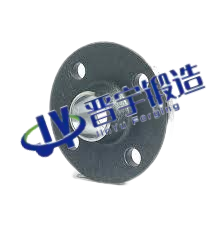
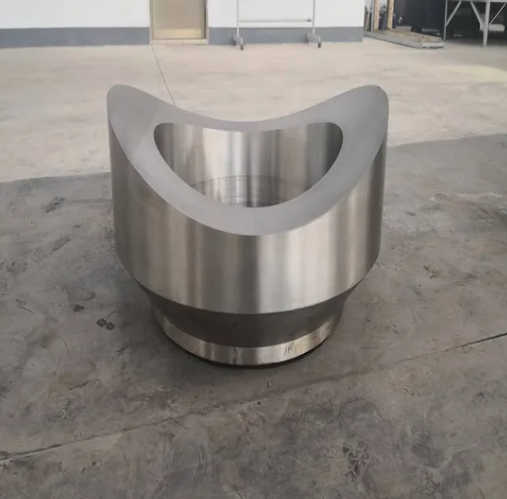
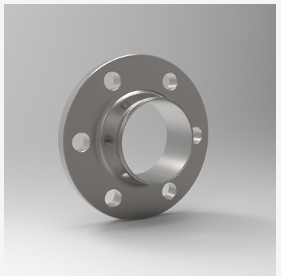
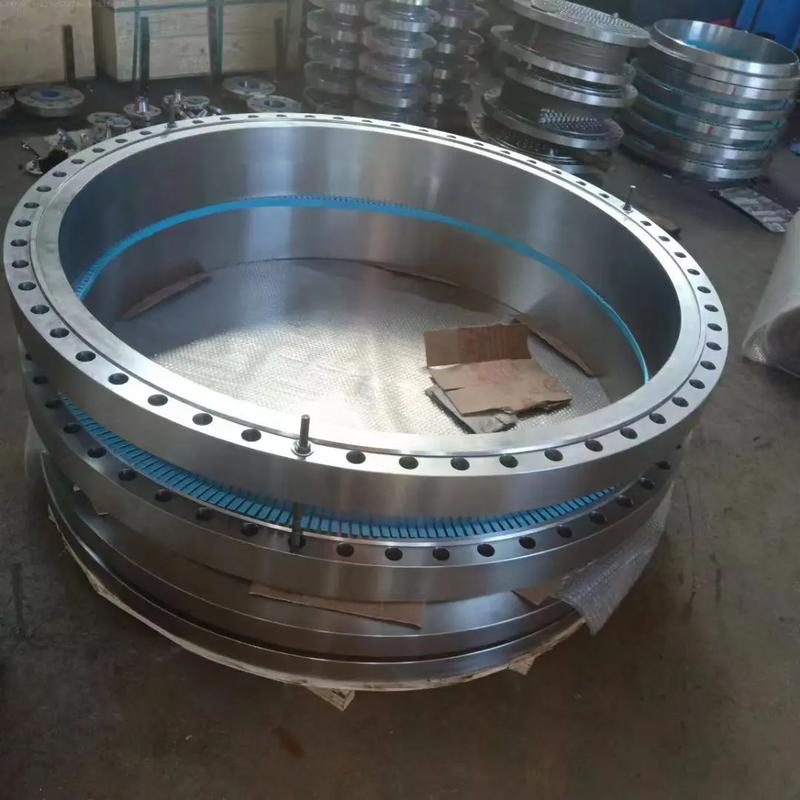
A flange is a part used to connect pipes to each other, attached to the pipe ends. It is also used at the inlets and outlets of equipment for connection with pipes. In terms of appearance, it is mostly in the shape of a flat disc with bolt holes in the middle. Don't underestimate this simple structure. It is through bolts that two flanges are tightly connected, and with the assistance of gaskets to prevent medium leakage, that a reliable connection of the pipeline system is achieved.
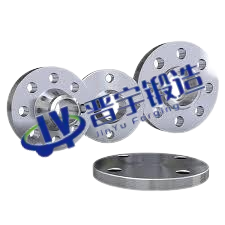
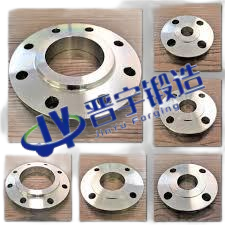
Flanges come in a wide variety. Classified by material, there are carbon steel flanges, stainless - steel flanges, copper - alloy flanges, nickel - based alloy flanges, etc. Carbon steel flanges are low - cost and widely used in general industrial pipeline systems. Stainless - steel flanges, with their excellent corrosion resistance, excel in industries such as food, chemical, and pharmaceutical, which have high requirements for hygiene and corrosion resistance. Copper - alloy flanges have good thermal conductivity and certain corrosion resistance, and are suitable for equipment such as heat exchangers. Nickel - based alloy flanges can work stably in extremely harsh environments such as high - temperature and strong - corrosion conditions, and are commonly found in high - end fields like aerospace and nuclear power. Classified by connection method, there are slip - on flanges, welding - neck flanges, socket - weld flanges, etc. Slip - on flanges have a simple structure and low cost, and are often used in pipelines for low - pressure and non - toxic media. Welding - neck flanges have high strength and good sealing performance, and are suitable for the connection of pipelines for medium - to - high - pressure, high - temperature, and toxic, flammable, and explosive media. Socket - weld flanges are easy to install and are often used for small - diameter pipelines.
Flanges are extremely widely used in the industrial field. In the petrochemical industry, various chemical media flow in pipelines. From the extraction and transportation of crude oil to the refining of petroleum and the synthesis of chemical products, flanges connect pipelines one by one to ensure the stable transmission of media. Their quality and performance are directly related to the safety and continuity of production. Once a flange leaks, it will not only cause medium loss, but may also trigger serious safety accidents such as fires and explosions. In the power industry, whether in thermal power plants, hydropower plants or nuclear power plants, flanges are used to connect various steam - water pipelines, cooling pipelines, etc. Under high - temperature and high - pressure working conditions, flanges have to withstand huge pressure and temperature changes, and their reliability is one of the key factors ensuring the stable operation of power plants. In the construction industry, flanges are used in building water supply and drainage systems, heating systems, etc., providing people with a stable water supply and a comfortable living environment.
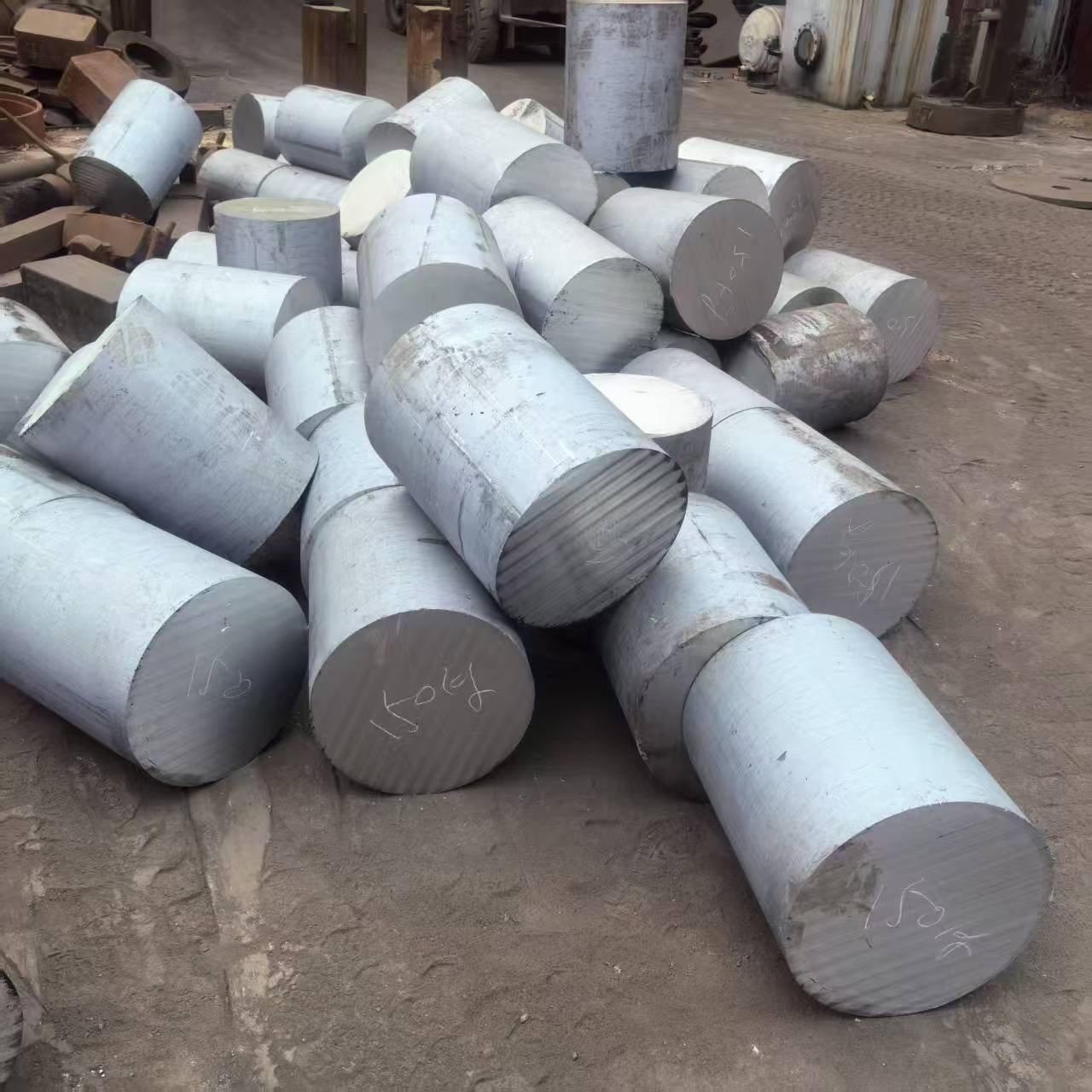
With the continuous progress of industrial technology, the performance requirements for flanges are also increasing. In terms of material research and development, new high - performance alloy materials are constantly being explored to enhance the high - temperature resistance, corrosion resistance, and high - pressure resistance of flanges, so as to adapt to more demanding working conditions. In terms of manufacturing processes, advanced forging, casting, and processing technologies are emerging continuously, making flanges more precise and of more stable quality. At the same time, the concepts of digital and intelligent manufacturing are gradually integrated into the production process of flanges. Design is optimized through simulation analysis, and intelligent manufacturing equipment is used to improve production efficiency and product quality.
Although flanges are small, they shoulder the important task of ensuring the stable operation of industry. They are the key link in industrial connections, witnessing the process of industrial development. In future industrial transformations, they will surely continue to innovate and develop, and continuously play an important role.

 English
 Русский
 Español