Welcome to Dingxiang Jinyu Forging Co., Ltd.,
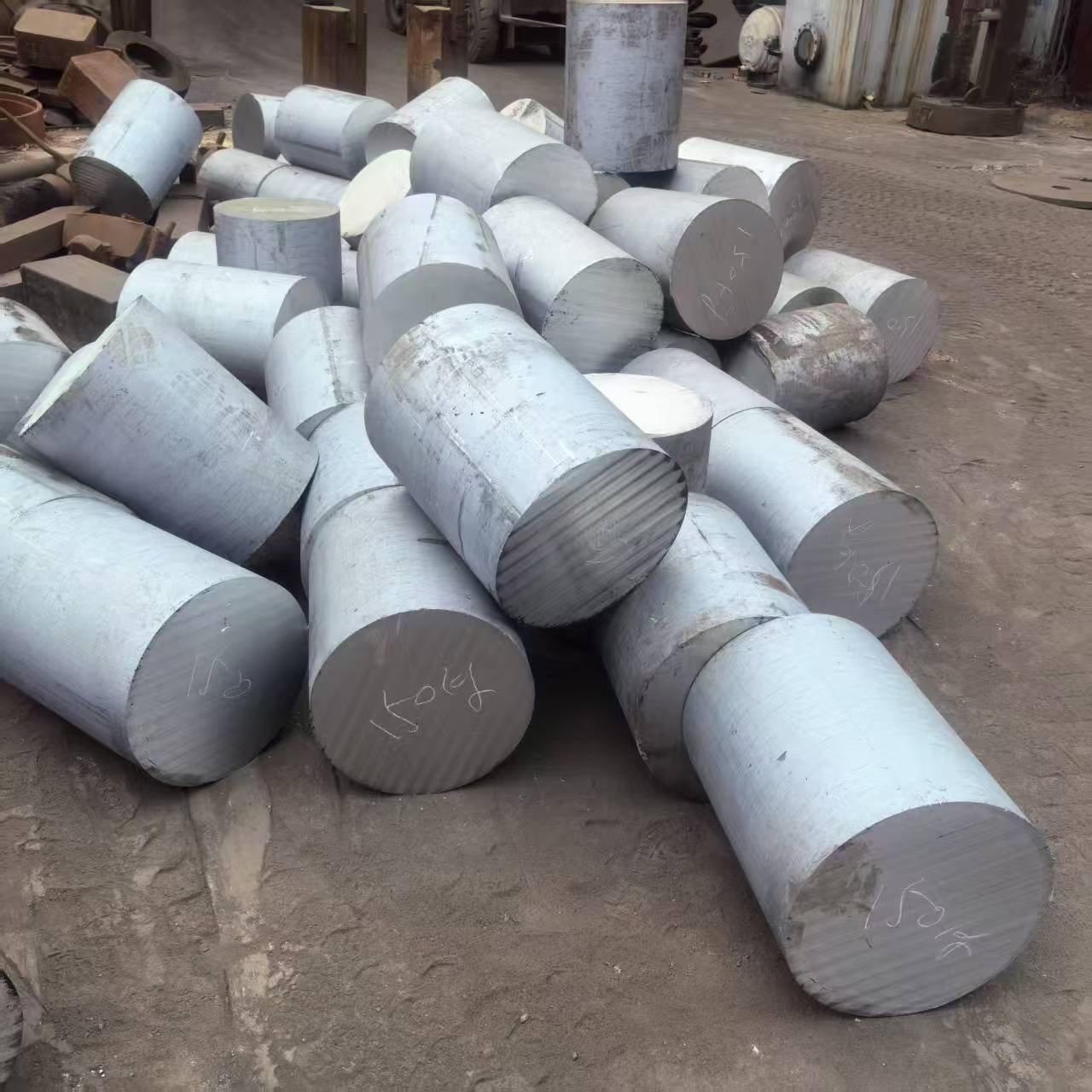
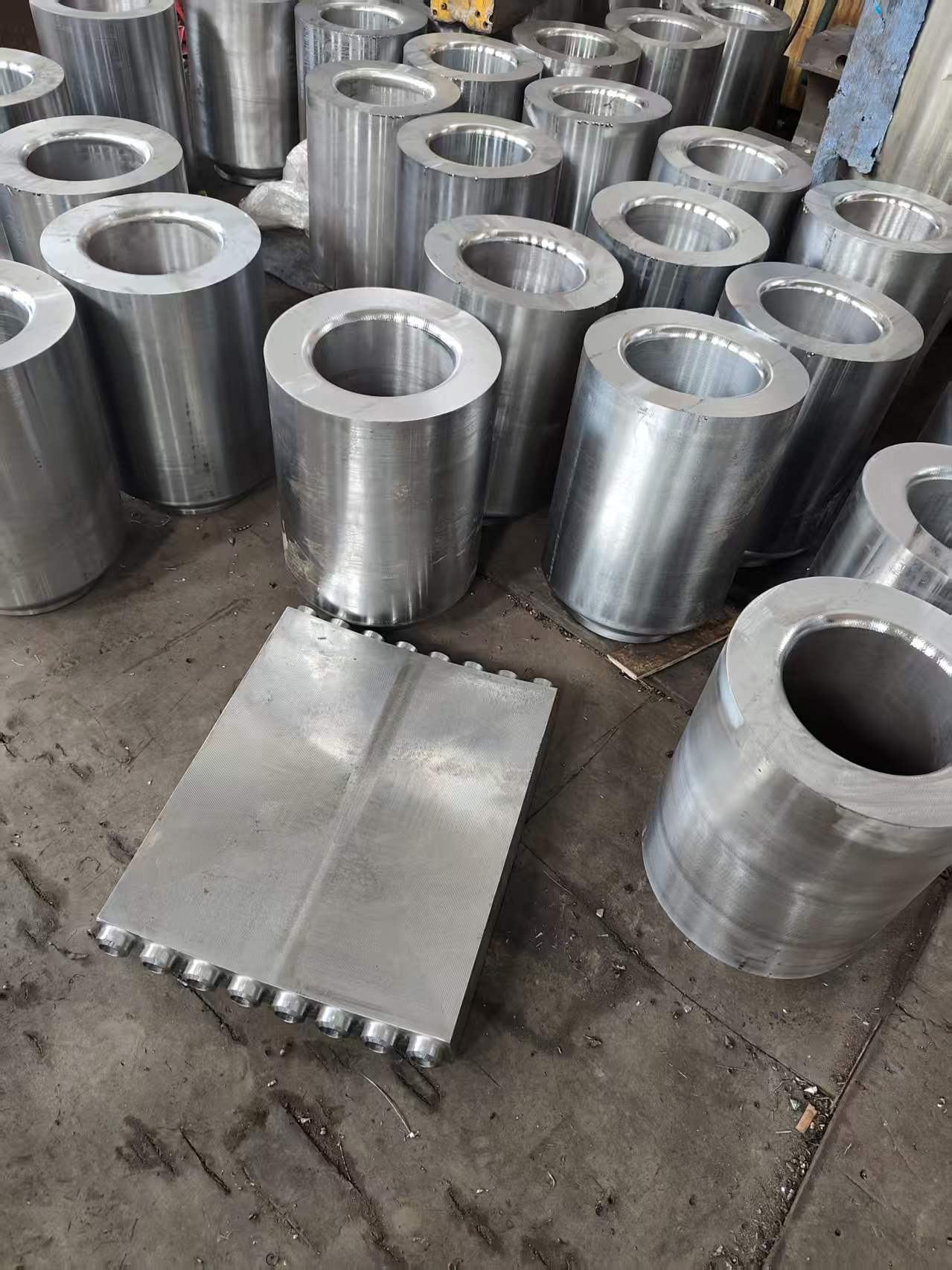
American Standard 321 stainless steel is an austenitic stainless steel
Brief Introduction to American Standard 321 Stainless Steel (ASTM S32100)
American Standard 321 stainless steel is an austenitic stainless steel, mainly compliant with ASTM standards, with the designation ASTM S32100 (the same UNS number). It is essentially the same material as China National Standard 32168 (06Cr18Ni11Ti) but designated under different standards. Its core advantage lies in the use of titanium to stabilize carbon, making it suitable for medium-high temperature and welding scenarios.
1. Core Composition and Standards
In accordance with standards such as ASTM A240 (plates/coils) and ASTM A312 (seamless pipes), its key chemical composition (mass fraction) is as follows: Carbon (C) ≤ 0.08%, Silicon (Si) ≤ 1.00%, Manganese (Mn) ≤ 2.00%, Phosphorus (P) ≤ 0.045%, Sulfur (S) ≤ 0.030%, Chromium (Cr) 17.00%-19.00%, Nickel (Ni) 9.00%-12.00%, and Titanium (Ti) 5×C%-0.70%. Titanium is the core element, which can combine with carbon preferentially to prevent intergranular corrosion.
2. Key Properties
Intergranular Corrosion Resistance: In the sensitization temperature range of 400-800°C, titanium fixes carbon, preventing the precipitation of chromium carbides. No post-weld annealing is required, which is superior to 304 stainless steel.
Medium-High Temperature Stability: The continuous service temperature is approximately 700°C. It maintains good tensile strength and creep resistance at medium-high temperatures, outperforming 304 stainless steel.
Room-Temperature Performance: At room temperature, the tensile strength is ≥ 520MPa, yield strength ≥ 205MPa, and elongation ≥ 40%, enabling cold working and welding.
General Corrosion Resistance: It has similar corrosion resistance to 304 in air, fresh water, and weak acids. However, without molybdenum, its chloride corrosion resistance is weaker than that of 316L.
3. Main Applications
It is suitable for environments requiring welding and long-term service under medium-high temperature or corrosive conditions, such as boiler superheater tubes and nuclear power auxiliary equipment in the power industry; heat exchangers and reactors in the petrochemical industry; aircraft exhaust components in aerospace; and high-temperature sterilization equipment in the food and medical fields.
4. Precautions
Hot Working: Conduct at 1150-1260°C, followed by water quenching or full annealing.
Cold Working: Intermediate annealing is needed for large deformation to avoid cracking.
Welding: Use matching fillers (e.g., ER321) and control heat input.
Service Limit: Do not exceed 700°C for long-term use, and avoid confusion with ASTM 321H (high-carbon version).
 English
 Русский
 Español